
Playground safety surfacing is one of the most important components of any recreational space, especially in South Carolina where property owners, schools, and municipalities must balance safety, compliance, and durability. While the state does not have a single standalone law dedicated solely to playground surfacing, it relies heavily on nationally recognized safety standards, childcare regulations, and industry guidelines to define what is required.
Understanding South Carolina playground surface regulations means understanding how state agencies, federal guidelines, and industry standards work together to create safe play environments. Whether you are building a new playground or upgrading an existing one, compliance is essential for safety, liability protection, and long-term performance.
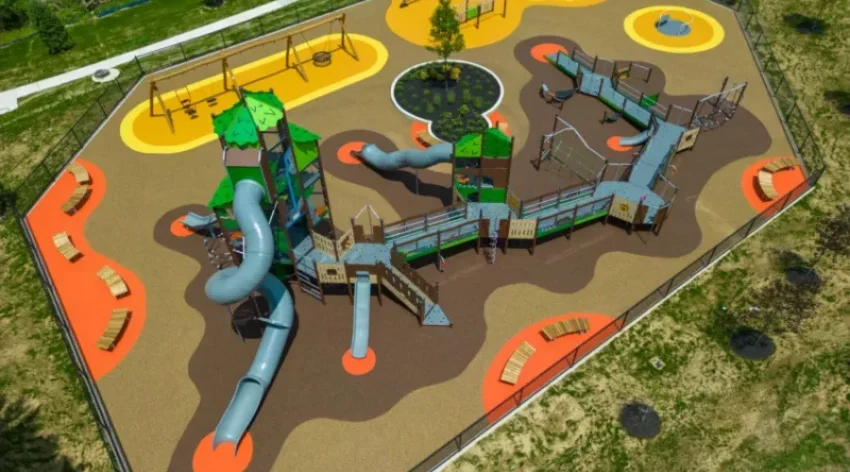
How Playground Surfacing Is Regulated in South Carolina
In South Carolina, playground surfacing requirements are typically governed through a combination of childcare licensing rules, risk management standards, and widely accepted safety guidelines. Organizations such as the South Carolina Department of Health and Environmental Control and childcare licensing bodies establish baseline safety expectations for facilities serving children.
At the same time, most public and commercial playgrounds are expected to follow national standards created by the U.S. Consumer Product Safety Commission and ASTM International. While these standards are technically voluntary, they are often treated as mandatory in practice due to insurance requirements and legal precedent. In fact, South Carolina courts have recognized failure to follow these standards as evidence of negligence in injury cases.
Because of this, compliance is not optional for most playground owners. It is the foundation of both safety and liability protection.
Key Federal Guidelines That Apply to South Carolina Playgrounds
The most widely used safety resource for playground surfacing is the CPSC Public Playground Safety Handbook. This guide outlines how playground surfaces should be designed, installed, and maintained to reduce injury risks.
One of the most important requirements is impact-absorbing surfacing. The majority of playground injuries occur from falls, which makes the type and depth of surfacing critical. The CPSC recommends that protective surfacing extend throughout the entire use zone and be properly maintained over time.
For loose-fill materials like engineered wood fiber, sand, or mulch, the CPSC recommends a minimum depth of 12 inches to provide adequate fall protection. This depth ensures that the surface can absorb impact and reduce the risk of serious injuries such as fractures or head trauma.
In addition, protective surfacing must extend at least 6 feet in all directions around equipment, and even further for swings, where forward and backward motion increases fall risk.
ASTM Standards for Playground Surfacing
ASTM standards provide more detailed technical requirements for playground surfacing materials. These standards are widely adopted across South Carolina and are often required by insurance carriers and project specifications.
The most important standard is ASTM F1292, which measures impact attenuation. This determines how well a surface absorbs shock and protects children from serious head injuries. A compliant surface must meet specific thresholds for both G-max and Head Injury Criteria (HIC), ensuring it performs safely at the intended fall height.
Another critical standard is ASTM F1951, which focuses on accessibility. This standard ensures that playground surfaces are firm and stable enough for wheelchair users, making it a key component of ADA compliance.
Additional ASTM standards apply to specific materials, including engineered wood fiber, poured-in-place rubber, and synthetic turf. These standards address factors such as material composition, installation methods, and long-term performance.
Together, these guidelines create a comprehensive framework for playground surfacing safety in South Carolina.
ADA Accessibility Requirements for Playground Surfaces
Playgrounds in South Carolina must also comply with the Americans with Disabilities Act, which requires accessible routes and surfaces for children of all abilities.
To meet ADA requirements, playground surfacing must be firm, stable, and slip-resistant. Surfaces must also allow for mobility devices such as wheelchairs and walkers to move freely throughout the play area.
ASTM F1951 is directly tied to ADA compliance, meaning that any surface system used in a public playground must meet this standard. This requirement eliminates certain materials, such as loose sand or gravel, which do not provide sufficient accessibility.
Accessible surfacing options typically include poured-in-place rubber, rubber tiles, and properly installed engineered wood fiber. These materials provide both impact protection and usability for all children.
Common Playground Surfacing Materials in South Carolina
There are several types of playground surfacing materials commonly used across South Carolina, each with its own benefits and compliance considerations.
Loose-fill materials such as engineered wood fiber, mulch, sand, and rubber mulch are popular due to their lower upfront cost and flexibility. These materials must be installed at sufficient depth, typically around 12 inches, to meet safety guidelines. However, they require ongoing maintenance to maintain proper depth and performance.
Unitary surfaces, such as poured-in-place rubber and rubber tiles, provide a seamless and durable solution. These surfaces are designed to meet both ASTM and ADA requirements, offering consistent impact protection and accessibility. They are often used in schools, parks, and inclusive playgrounds.
Synthetic turf systems are another option, combining durability with shock-absorbing padding beneath the surface. These systems can be designed to meet both safety and accessibility standards when installed correctly.
Choosing the right material depends on factors such as budget, usage, maintenance capacity, and compliance requirements.
Maintenance and Ongoing Compliance Requirements
Installing compliant playground surfacing is only the first step. Ongoing maintenance is essential to ensure continued safety and compliance.
Loose-fill materials naturally shift, compact, and degrade over time. This can reduce their ability to absorb impact and protect children. Regular inspections and replenishment are required to maintain proper depth.
Unitary surfaces also require maintenance, including inspections for wear, damage, or drainage issues. Even though they are more durable, they must continue to meet ASTM standards throughout their lifespan.
According to ADA and ASTM guidelines, surfaces must remain compliant for as long as the playground is in use. This means that neglecting maintenance can result in non-compliance, even if the playground was initially installed correctly.
Why Compliance Matters for South Carolina Playground Owners
Following playground surface regulations in South Carolina is not just about meeting guidelines. It is about protecting children, reducing liability, and ensuring long-term performance.
Playgrounds that fail to meet safety standards are at a significantly higher risk of injury-related incidents. Falls account for the majority of playground injuries, making proper surfacing one of the most critical safety investments.
In addition, non-compliance can lead to legal and financial consequences. Courts and insurance providers often rely on CPSC and ASTM standards when evaluating liability. Failing to meet these standards can result in costly lawsuits and increased insurance premiums.
By investing in compliant, high-quality surfacing, playground owners can create safer environments while protecting their organization from risk.
Partnering with Custom Park for Safe Playground Surfacing
Navigating South Carolina playground surface regulations can be complex, especially when balancing safety, compliance, and budget considerations. That is why working with an experienced partner is essential.
If you are planning a new playground or upgrading an existing one, Custom Park can guide you through every step of the process to ensure full compliance with South Carolina regulations. Contact us today to get started!